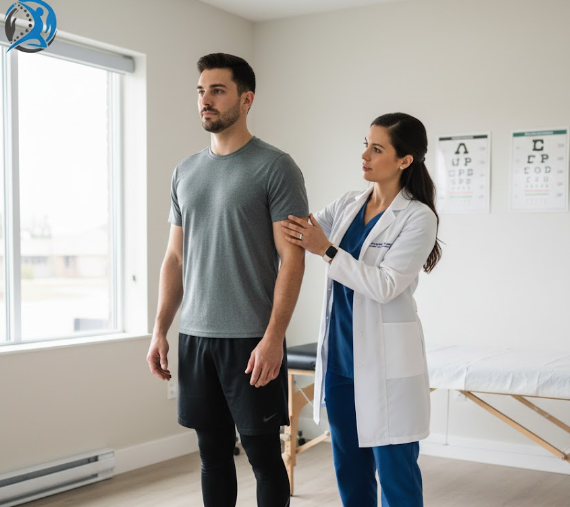
Post Concussion Rehab: What to Expect During Assessment
What to Expect During a Concussion Physiotherapy Assessment
A concussion can affect far more than just the head. Symptoms such as dizziness, headaches, balance issues, and difficulty concentrating often disrupt daily life long after the initial injury. A structured physiotherapy assessment plays a critical role in identifying how the injury is affecting the nervous and musculoskeletal systems and guiding safe recovery.
Understanding what happens during an assessment helps patients feel prepared, informed, and confident in the rehabilitation process.
Initial Health History and Symptom Review
The assessment begins with a detailed discussion of your injury and current symptoms. A physiotherapist will ask about how the concussion occurred, symptom progression, previous head injuries, sleep quality, and daily activity tolerance.
This step helps establish a baseline and ensures care is adapted to your specific presentation. For individuals seeking Post Concussion Rehab Edmonton, this history guides decisions around pacing, activity modification, and safety.
Neurological and Cognitive Screening
Concussions can disrupt how the brain processes information. Physiotherapists may assess:
-
Eye tracking and visual focus
-
Reaction time and coordination
-
Balance and postural control
-
Symptom response to movement or visual tasks
These findings help determine how the nervous system is functioning and which systems require targeted rehabilitation.
Cervical Spine and Movement Assessment
Neck dysfunction commonly contributes to ongoing concussion symptoms. The physiotherapist will evaluate neck mobility, strength, and joint control, along with overall movement patterns.
This step is essential because unresolved cervical issues can mimic or worsen concussion-related headaches and dizziness. Many programs within Post Concussion Rehab address both neurological and musculoskeletal components together for more complete recovery.
Exercise Tolerance and Symptom Monitoring
A controlled assessment of physical tolerance may be introduced, depending on symptom severity. Light movement or graded exertion helps identify safe thresholds for activity.
At a Post Concussion Therapy Clinic Edmonton, this information is used to design individualized exercise plans that support recovery without overloading the nervous system.
Education and Recovery Planning
A key part of the assessment is patient education. Physiotherapists explain how concussions heal, what symptoms are normal, and how to manage daily activities safely. Guidance often includes:
-
Activity pacing and rest strategies
-
Screen time and cognitive load management
-
Gradual return to work, school, or sport
For patients pursuing Post Concussion Rehab Edmonton, this collaborative planning supports long-term recovery and reduces the risk of symptom persistence.
Why a Structured Assessment Matters
Concussion recovery is rarely one-size-fits-all. A thorough physiotherapy assessment identifies contributing factors that may otherwise be overlooked. Evidence-based evaluation allows treatment to progress at a pace matched to the individual, supporting safe and sustainable improvement.
Final Thoughts
A concussion physiotherapy assessment is a comprehensive process designed to understand how your body and nervous system are responding after injury. By combining clinical expertise, movement analysis, and patient education, physiotherapy supports informed decision-making and gradual return to normal activities. Knowing what to expect helps patients engage confidently in care and take an active role in their recovery journey.
Post a comment